Category: Uncategorized

  • Artist Blog Post- Jeff Koons

    Have you ever come across something in your life that is not what is seems? You are not the only one, because many other people are inspired by the people and things in life that surround them, and use that to their advantage. Many artists are a great example of people who attempt to replicate real-life objects as if they truly existed. Some of these art forms include paintings that hold so much immaculate details that make their drawings and paintings so realistic that it appears you could reach out and touch the objects. Other artists understand art on different levels across all different dimensions, many working in realms beyond just 2-dimensional pieces, and making 3-dimensional pieces that push more boundaries and allow for more creativity and usefulness.

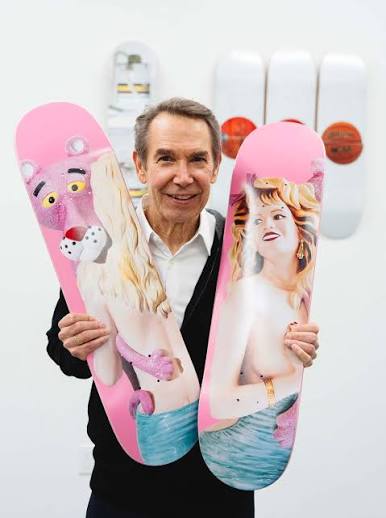
    For example, a great modern-day artist that comes to mind that specializes in 3-dimensional artwork is Jeff Koons. Jeff Koons was born in York, Pennsylvania in 1955, to parents of Henry Koons (an interior decorator and furniture dealer) and Gloria Koons (a seamstress). At a younger age, Jeff copied Old Master paintings displayed in the shop that his dad owned, further increasing his devotion to art when he studied painting at the Maryland Institute College of Art in Baltimore, earning his BFA in 1976, and learning more by attending the School of the Art Institute in Chicago, Illinois. In 1977, Jeff moved to New York City to work at the Museum of Modern Art, and later working as a commodities broker for Wall Street. Not long after in the mid 1980s, Jeff became a part of the Neo-Pop and Neo-Geo movements by turning ordinary items into well-known pieces of art.

    Jeff Koons is best known for his 3-dimensional art forms that were released in the late 1900s and early 2000s, such as his creation of the large-scale models “Rabbit” in 1986 and “Balloon Dog” from 1994 to 2000. These two sculptures vary in size and appearance, with “Rabbit” being a smaller representation of a balloon animal, consisting of stainless steel to give it a shiny and reflective appearance, like a balloon, and stands roughly the size about half of an adult. On the other hand, Jeff has also created similar projects at a much larger scale, including his well-known “Balloon Dog”, made up of stainless steel to give it the same shiny and reflective appearance and scaling much larger than the original “Rabbit”. Both sculptures have been made numerously through different variations of color, and positions, making each one more visually interesting than the next. Jeff also wanted these art forms to resemble the human condition through simple childhood party objects, where inhaling air symbolizes optimism, and exhaling brings the reminder of mortality.
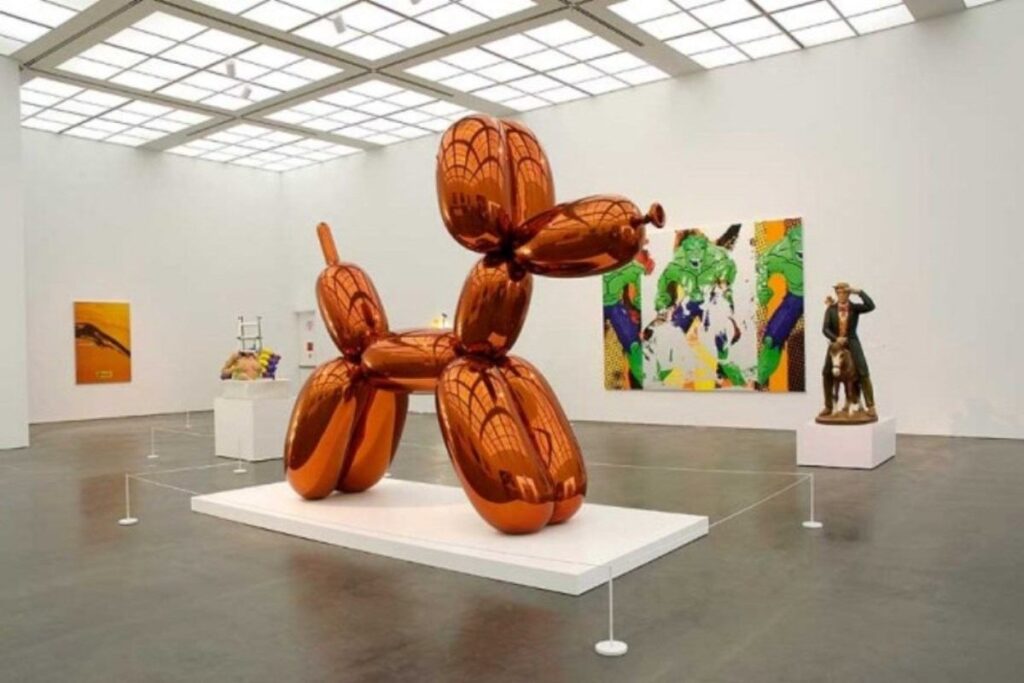
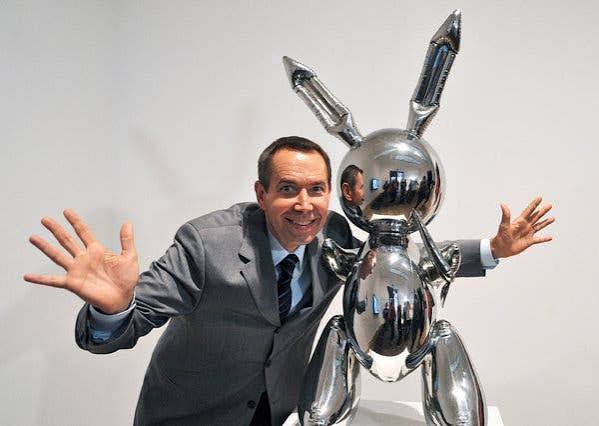
    Even though Jeff became popular from his older projects that take place in the later 1900s, but still continues to create artwork in more modern times between 2016 and 2025 through similar forms of art, commonly dabbling in oil paintings on canvases and giant stainless steel sculptures. The transition between different art styles offers Jeff new opportunities to understand and create art on different levels of meaning and interpretation. This allows Jeff to reach his audience through strong visuals that leave room for interpretation and importance to the viewers. The symbolism behind his masterful pieces bringing a sense of interest in youth and well-spirited symbolisms brings an importance to his style and creativity. His sculptures and other various forms of art arise curiosity and playfulness in his work, making his pieces visually interesting and leaving a positive feeling and energy with any of its viewers. Jeff is now pretty centralized with modern art-forms and his work is often displayed at many galleries worldwide, easily making his art noticeable and truly one of a kind.
  • 3D TYVEC Suit Painting Project

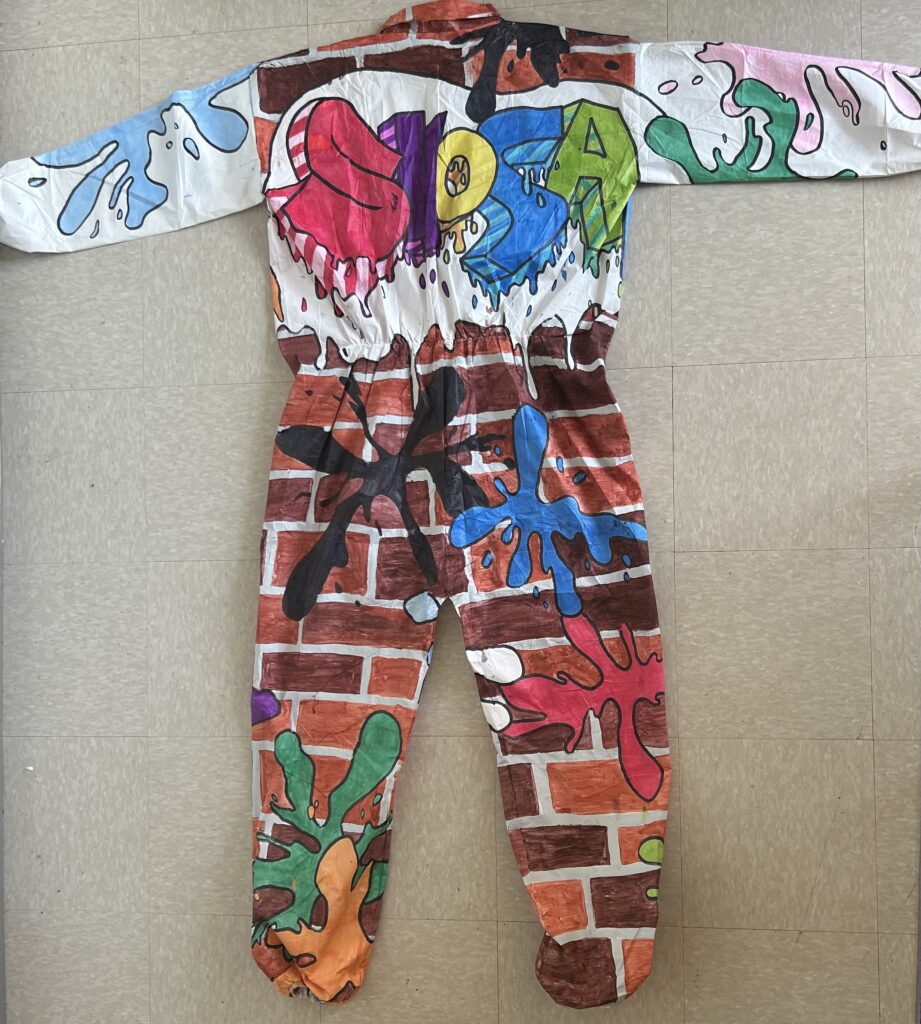
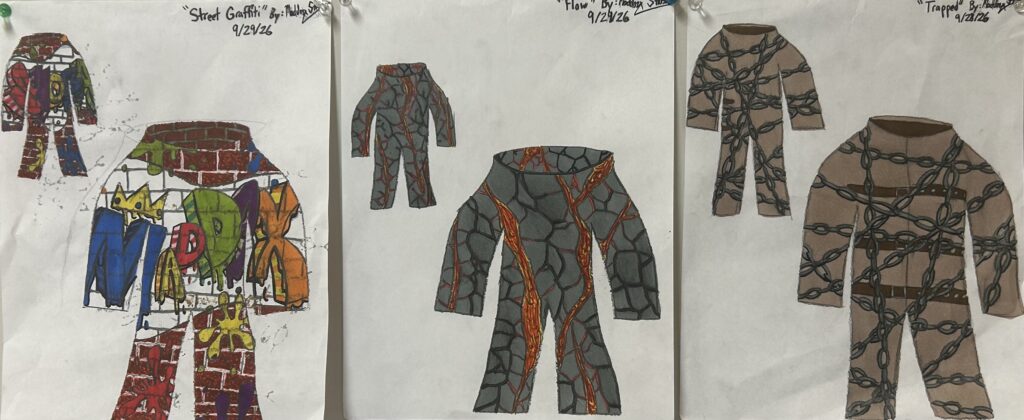
    These are the three original ideas I had designed for this project. For this project there was no exact theme, as long as we were able to cover up as much of the TYVEC suit as possible with our alcohol markers. To start off, we were told to sketch three designs of our suits covered front and back, creating a theme on the suit that made the most sense and works best for us. The three themes I developed were street graffiti, flowing lava down a mountain, and a confined straight jacket wrapped in metal chains. For these themes, there really was no inspiration that drew me to the ideas I developed; I only created these suits because of their originality and the fact that I thought it would be fun to wear any of these suits.

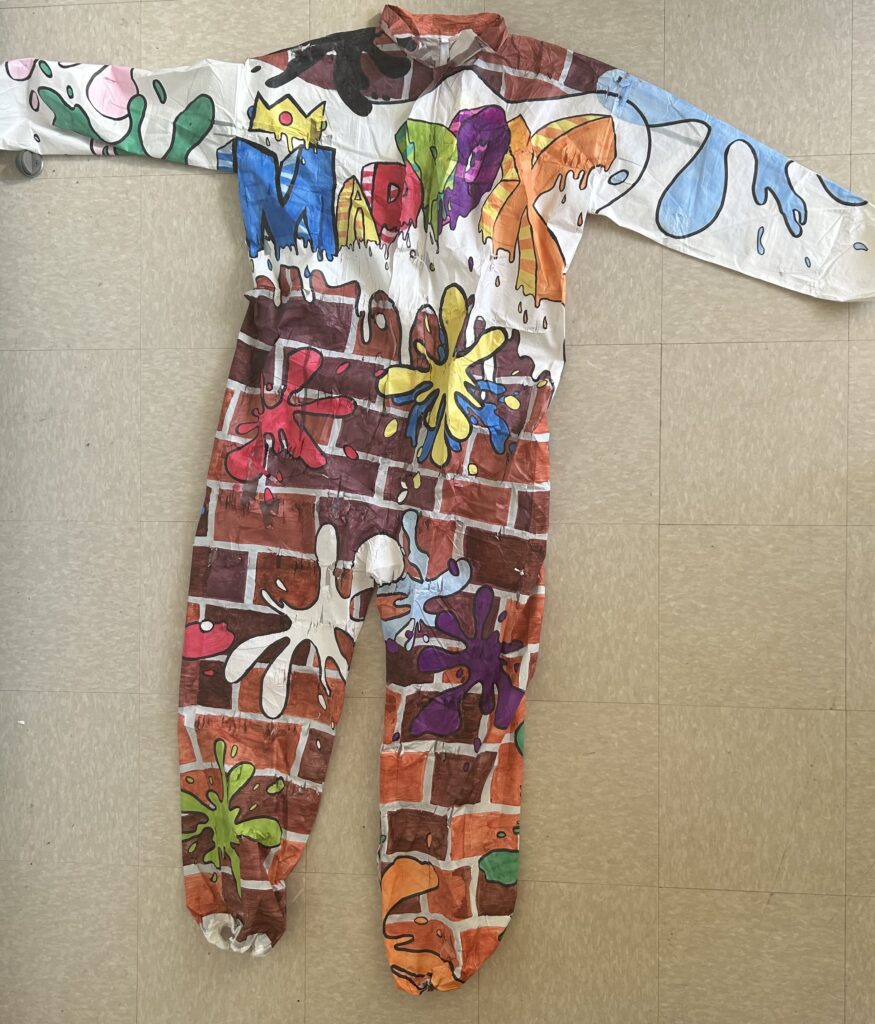
    These are the results of the final outcome! After contemplating which design would be most visually interesting, I chose my street graffiti design. I picked this design because it was the most original of the three “being with my name branded on the suit”, and its display of art. I worked on this suit over the span of one week, putting in as much work into it as I could where I had some free time. I went through a few markers trying to complete this piece, but it was well worth it in the end. I am happy with its final appearance, and even though it was a stressful project, I ultimately had a lot of fun designing it and bringing my ideas to life 3-dimensionally.

  • Objects Floating in Space Final Project

    ABOUT THE PROJECT

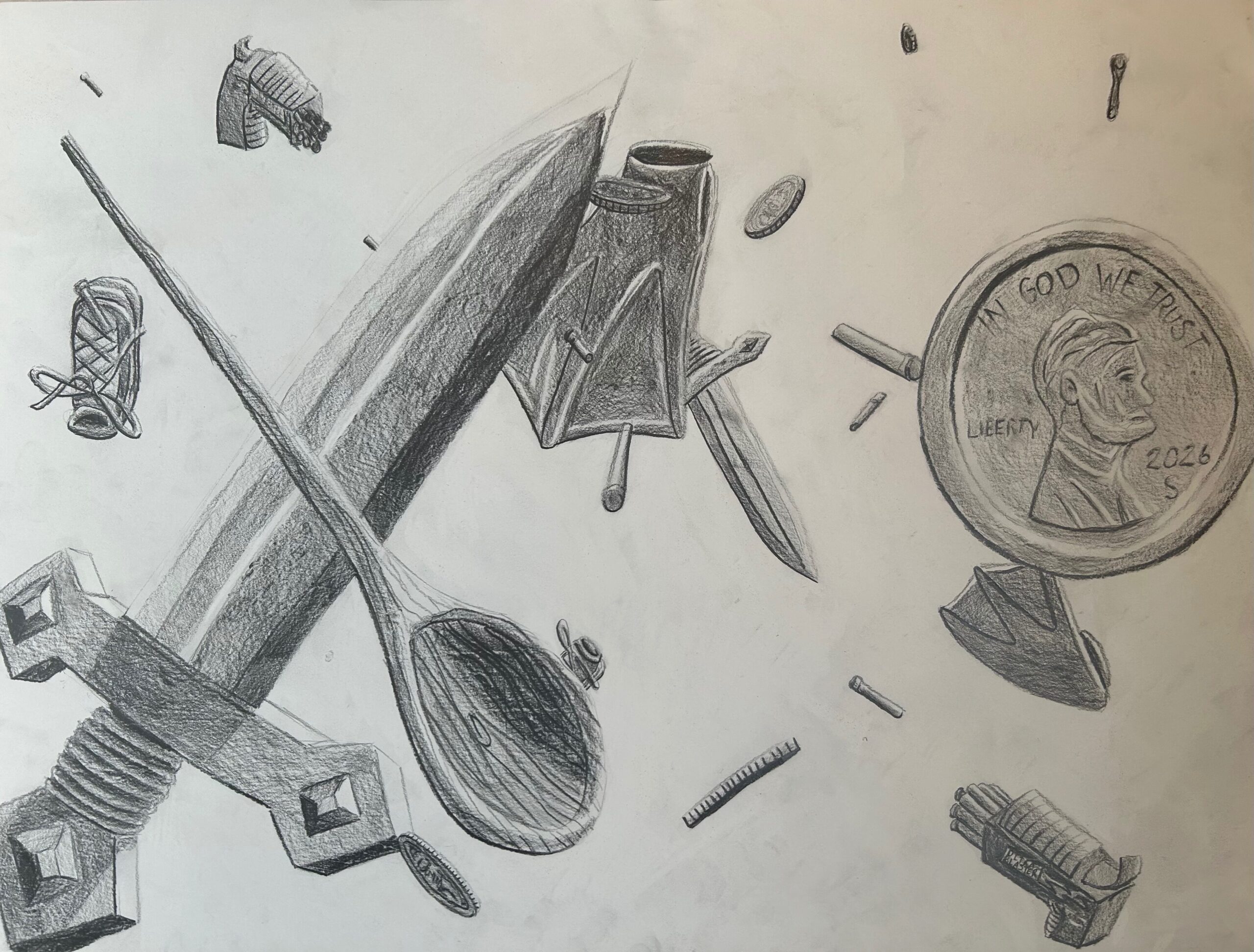
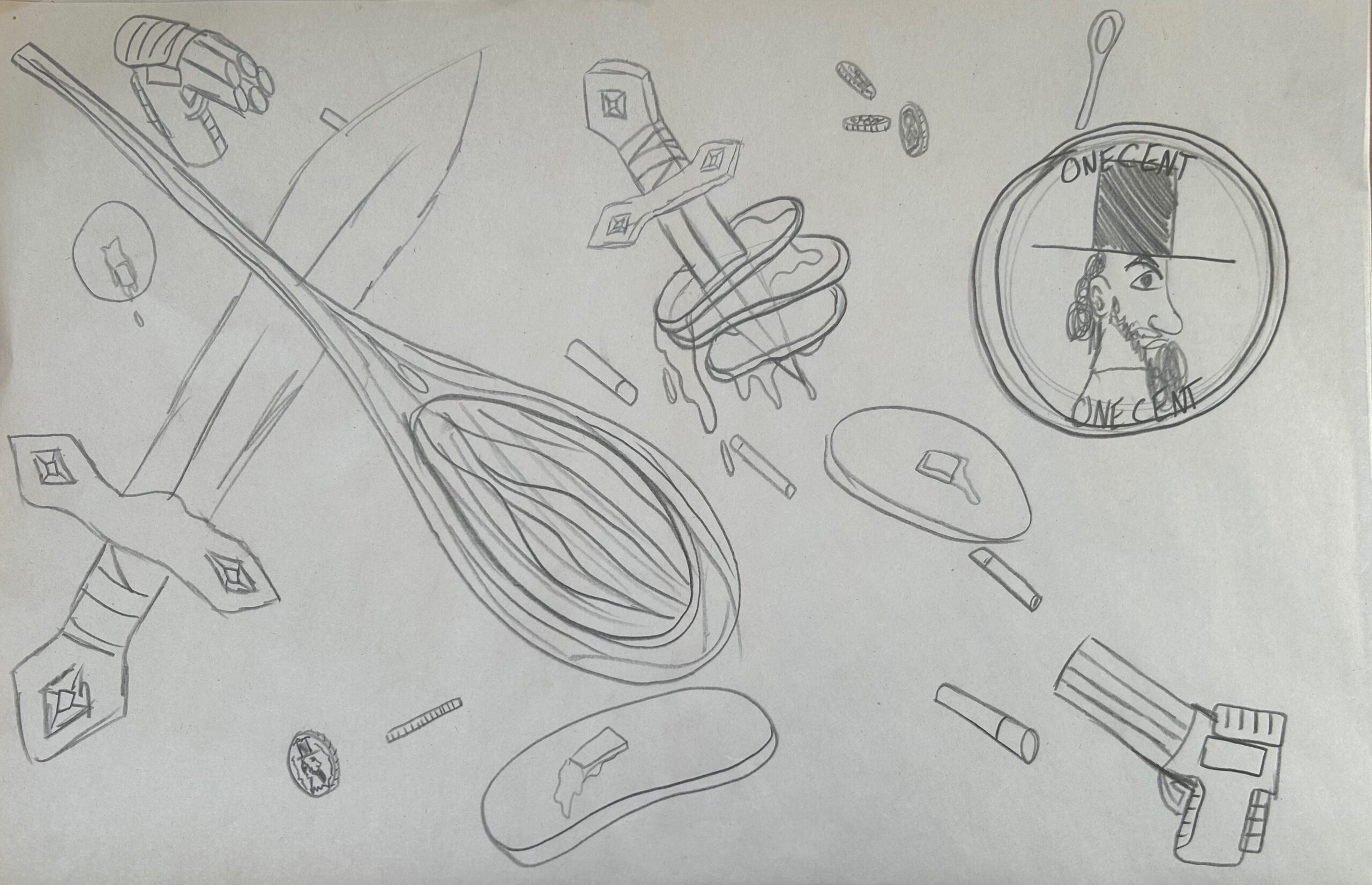
    Here is the final draft of my project. After getting an idea for the colors of my objects in a digital drawing, I then went back and redrew the sketch by hand and filled in the objects with different shading. I used a no. 6 pencil to really contrast the highlights and shadows of the objects to have a more direct source of light. With this in mind, I made hard and bold lines that support the structure of my objects, giving them more of a cartoon-ish style, and composed up of multiple organic shapes to show the complexity of the objects as well. As a more implied realism factor, I also took into consideration about the artistic application, whereas my objects floating in space would be different sizes in scale and proportion to showcase all of the different possible angles that these objects might be floating and how zero-gravity would have an effect on them.

    The most dominant objects in the drawing would likely be the biggest objects, such as the sword, spoon, and penny because they are scaled much larger than the other objects, and show a little more detail easier than the smaller objects. This also strengthens the points of location, showing that the larger objects are closer in space to the viewer than the smaller objects, like how the small penny appears to be much larger than a big flipper. In accordance to dominance, there are a lot more smaller objects than larger ones to make up for the emptiness in the background, even repeating a few patterns of coins, sneakers, flippers, and Nerf guns and bullets too. Even some of this drawings recognizes gesture as well, such as the bullets flying across the drawing and bouncing off of nearby objects, implying that the guns are actively in a battle and shooting at each other.

    HOW IT CAME TO BE

    My original concept for this piece took place in my Foundations in Art 3D class, where students were assigned to create lists of five random objects that belong to different categories. The five categories were something that you would find in a kitchen, something you would wear on your feet, something you would find from a war, something you would find at your friend’s house, and something you would find in your car. After composing a list of five objects from each category, we were then told to create more lists and experiment to see which list is most complicated and has few to no similarities between the objects. I happened to choose wooden spoons from a kitchen, flippers that you wear, swords from a war, Nerf guns at my friend’s house, and coins that belong in my car.

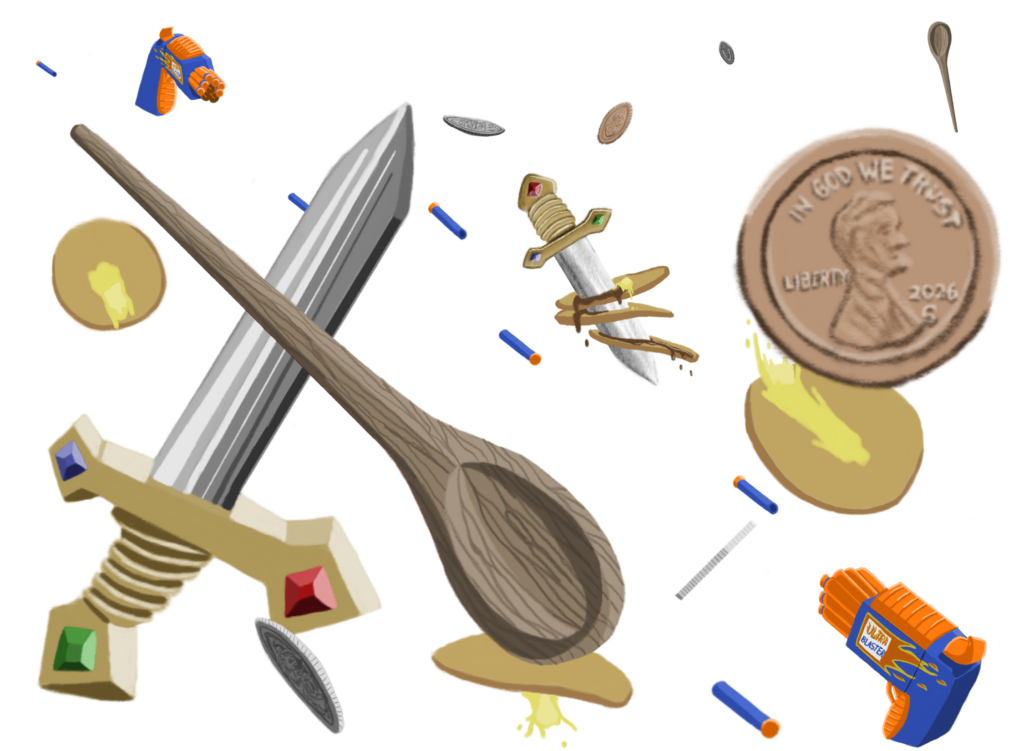
    As seen in my previous post, I drew out multiple sketches of different objects free floating, but this group really stuck out to me the most because of how interactive these objects were. This compelled me to further approach on this design, which led me to digitally render my sketch with colors and details. After my digital drawing, I knew that I was heading in the right direction, and wanted to solidify my choice as my final draft.

    This is its final appearance, so hopefully you enjoy looking at it as much as I did creating it!

  • Objects Free Floating in Space

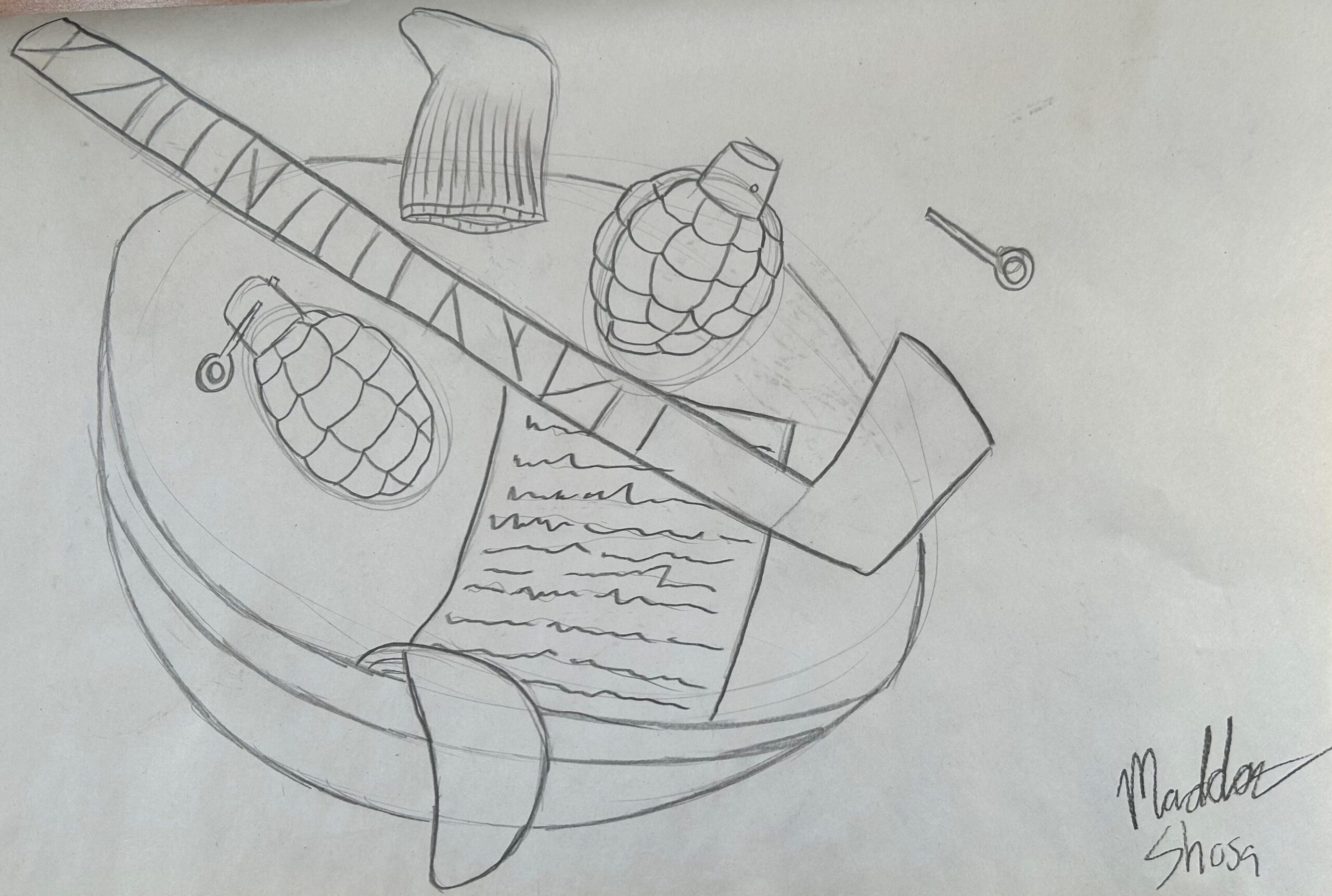
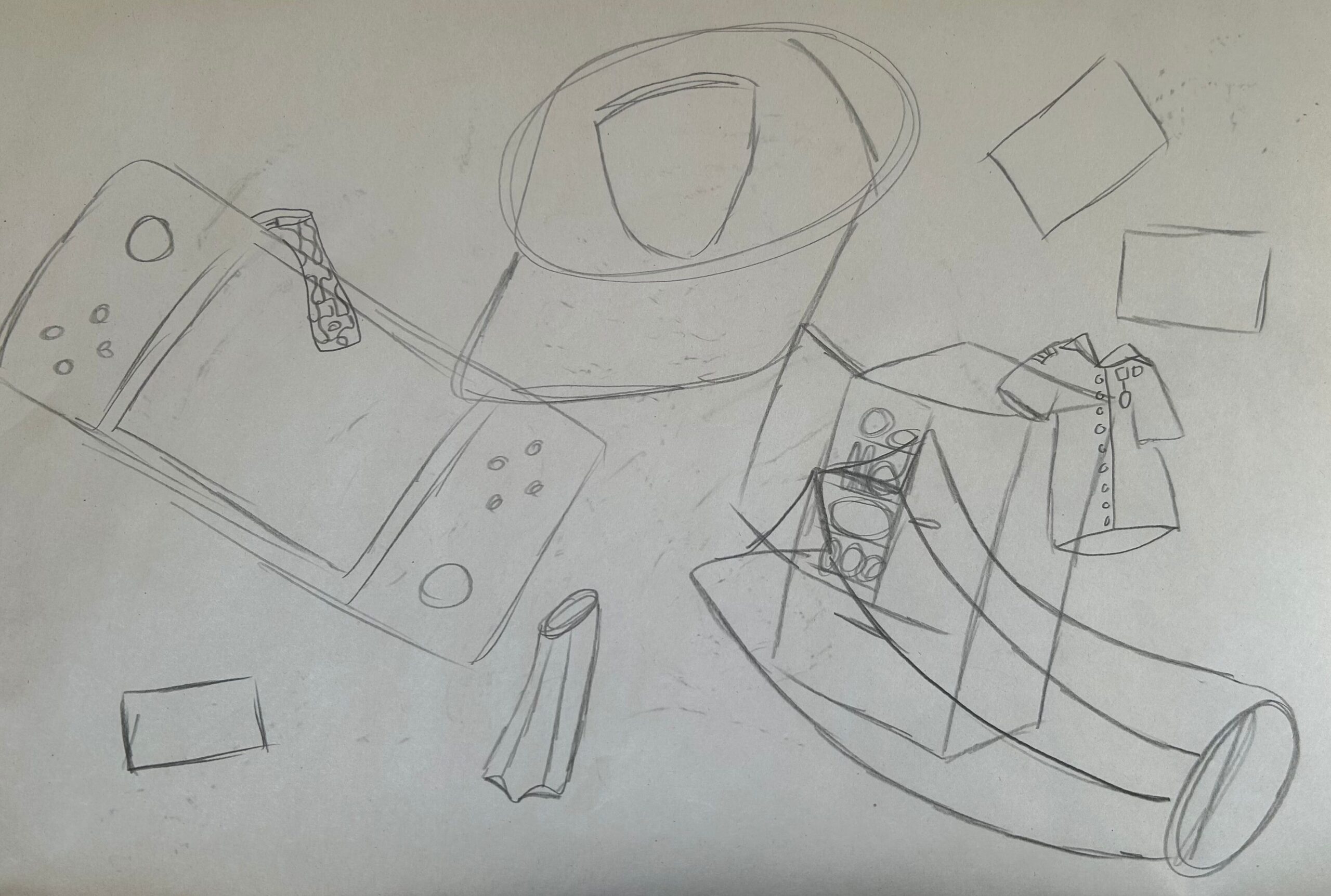
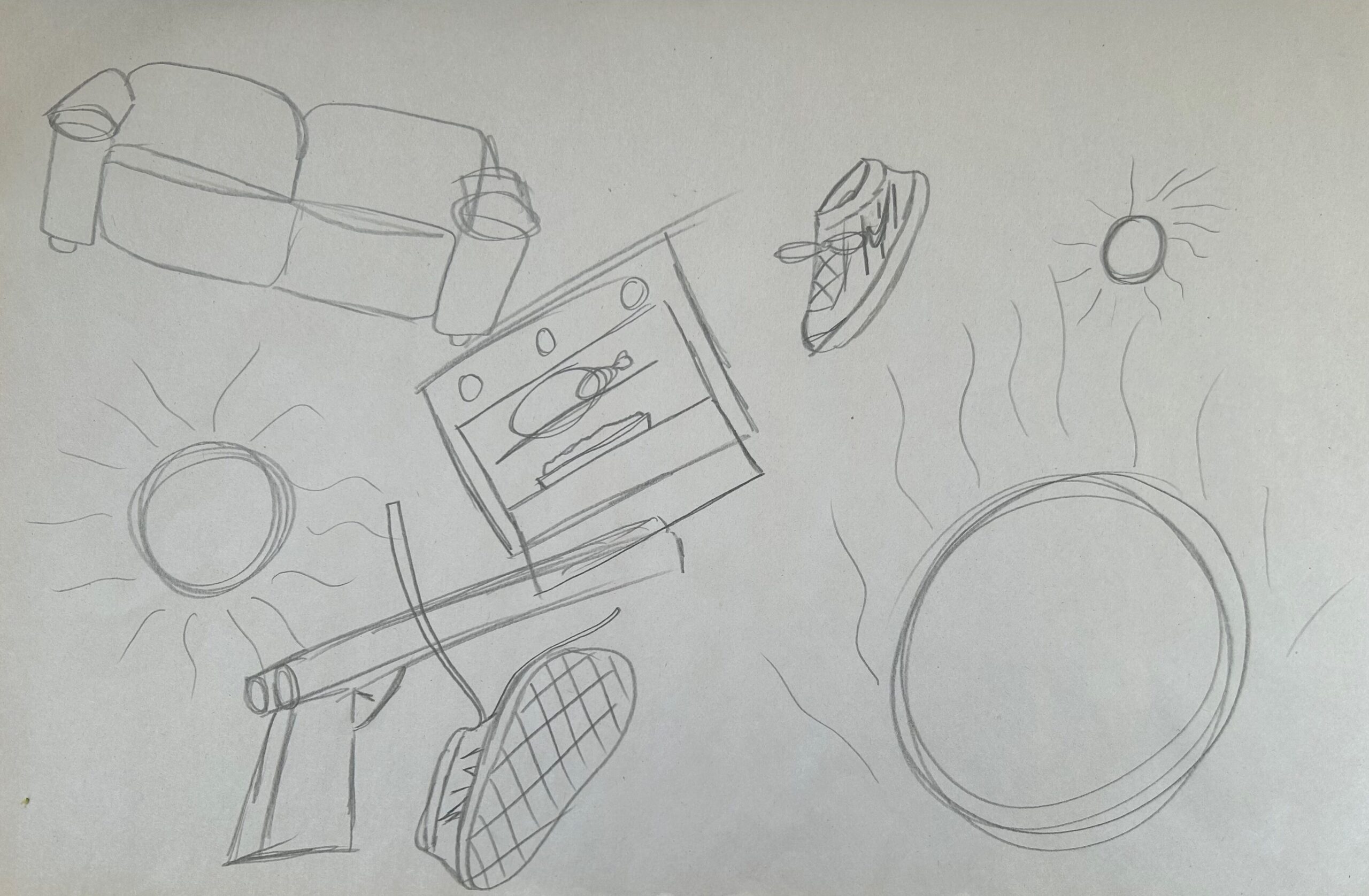
    These drawings of random objects floating in space belong to a project in my Foundations in Art 3D class. This is our first project, where we were told to create a list of five different objects that fit under five different categories, and explain their differences between them. These lists contain five different categories that these objects belong to— Something you wear on your feet, Something you might find at your friend’s house, Something found from a war, Something you might have in your car, and Something you might find in a kitchen. We were then told to sketch out actual representations of our chosen objects floating in space. These are the results of the product!

    This other version of my project is another draft I wanted to add to my assignment in order to visually see how I want my black and white pencil drawing to come out, whether it be with detailed shading or big, bold outlines representing the objects in the image.